Travel, Exploring the Sardine Run Phenomenon in South Africa
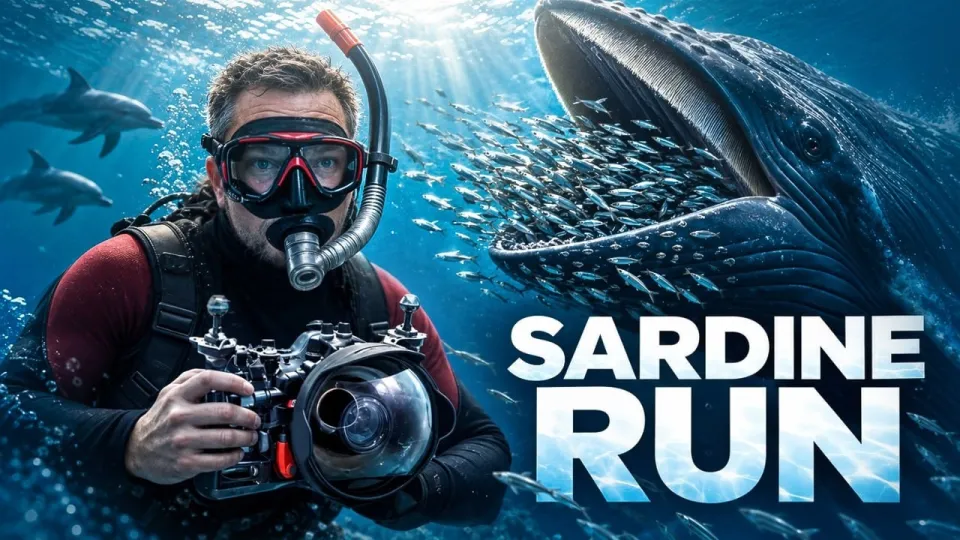
Video: I Spent a Week Chasing the Sardine Run in South Africa
· based on the channel ZAVID OFF
Key takeaways
- The Sardine Run is the largest marine feeding frenzy on Earth involving millions of sardines.
- Mbotyi on South Africa's Wild Coast is a prime location to witness the Sardine Run.
- SEAL Expeditions offers guided tours with surf launches and expert crews to chase sardines.
- Key wildlife includes dolphins, sharks, Bryde's whales, and diverse seabirds during the event.
- Travel routes include Johannesburg or Durban to Mbotyi, with unique lodge experiences near the coast.
The Sardine Run is one of the most extraordinary natural events for travelers interested in marine wildlife and adventure. This annual migration of millions of sardines along South Africa’s Wild Coast creates the largest feeding frenzy on Earth, attracting dolphins, sharks, whales, and seabirds in a spectacular display of nature’s power. For travelers searching for a thrilling journey, the Sardine Run offers a unique blend of wildlife viewing, adventure water activities, and cultural experiences.
What is the Sardine Run and Why Travel to See It
The Sardine Run is a massive migration of sardines moving northward along South Africa’s coast, typically between May and July, but the event can vary yearly. It involves billions of sardines swimming close to shore, forming dense bait balls that attract predators like dolphins, sharks, and Bryde’s whales. This natural phenomenon is considered the largest marine feeding frenzy on the planet, providing unparalleled opportunities for wildlife observation and underwater encounters.
Traveling to witness the Sardine Run means immersing yourself in an ecosystem where predator and prey interactions create breathtaking moments. It is a bucket-list event for divers, snorkelers, photographers, and nature lovers alike.
How to Get to the Sardine Run: Best Locations and Travel Tips
South Africa’s Wild Coast, particularly around the small village of Mbotyi, is regarded as the perfect spot to experience the Sardine Run. Getting there typically involves:
- Flying into Johannesburg or Durban, South Africa.
- Taking a connecting flight or a scenic drive to Mbotyi, which lies near the coast.
- Settling into specialized lodges, such as the Mbotyi River Lodge, which offer proximity to the action and local hospitality.
Mbotyi’s location provides easy access to the ocean and the launching points for boats used during the expeditions. The area is relatively remote, preserving its wild character, which enhances the authenticity of the experience.
What to Expect on a Sardine Run Expedition
Joining a Sardine Run expedition, such as those organized by SEAL Expeditions, involves a blend of adventure, wildlife encounters, and sometimes challenging conditions. Here is what travelers can typically expect:
- Early morning starts with surf launches from beaches into the ocean.
- Spotter flights or observation from boats to locate the massive sardine bait balls.
- Witnessing dolphins herding sardines into tight bait balls, with seabirds diving sharply overhead.
- Swimming or snorkeling alongside massive marine animals, including the rare opportunity to swim with Bryde’s whales.
- Observing other marine wildlife such as humpback whales, bottlenose dolphins, common dolphins, and various shark species.
Apart from the thrilling wildlife, the expeditions involve lodging in rustic yet comfortable accommodations, communal meals featuring local cuisine, and optional hikes to scenic waterfalls and coastal canyons.
Wildlife Highlights During the Sardine Run
The Sardine Run attracts an incredible diversity of marine animals, making it a wildlife enthusiast’s dream. Key highlights include:
- Dolphins: Several species, including bottlenose and common dolphins, participate in herding sardines into bait balls.
- Sharks: Predatory sharks exploit the dense sardine schools for feeding.
- Bryde’s Whales: These whales are a rare and majestic sight, often seen gliding through the bait balls and sometimes allowing close encounters in the water.
- Seabirds: Gulls, terns, and other seabirds dive like arrows into the sardines, adding to the spectacle.
- Humpback Whales: Occasionally spotted breaching and contributing to the marine activity.
This vibrant ecosystem interaction is what makes the Sardine Run so special and sought-after by travelers.
Practical Tips for Travelers Chasing the Sardine Run
To make the most of a Sardine Run trip, consider the following:
- Book with Experienced Guides: Companies like SEAL Expeditions provide expert knowledge, gear, and support.
- Prepare for Rough Conditions: Ocean surf launches and marine wildlife encounters can be physically demanding.
- Bring Appropriate Gear: Snorkeling or diving equipment, waterproof cameras, and sun protection are essential.
- Respect the Environment: Follow guidelines to minimize disturbance to wildlife and preserve this natural event.
- Plan for Flexibility: The Sardine Run’s timing and exact location can vary; be ready to adapt plans.
Conclusion
Traveling to South Africa to witness the Sardine Run is an unforgettable adventure that offers a rare glimpse into one of nature’s most impressive marine events. From the logistics of reaching the remote Wild Coast to the adrenaline-filled moments swimming with whales and dolphins, the experience is unmatched. The Mbotyi region, supported by expert operators like SEAL Expeditions, provides an ideal setting for travelers chasing the sardines. This article, inspired by insights from the ZAVID OFF channel, highlights the essential information and tips travelers need to make their Sardine Run journey a success.
Whether you are a seasoned diver, a wildlife photographer, or an adventurous traveler, the Sardine Run in South Africa promises an epic encounter with the ocean’s wild side. Pack your gear and prepare for an extraordinary expedition into one of the planet’s greatest natural spectacles.
Source: I Spent a Week Chasing the Sardine Run in South Africa · Markdown version
Questions & answers
When is the best time to see the Sardine Run in South Africa?
The Sardine Run typically occurs between May and July, though the exact timing can vary each year due to ocean conditions.
Where is the best place to experience the Sardine Run?
Mbotyi, located on South Africa’s Wild Coast, is one of the best spots to witness the Sardine Run due to its proximity to the migration route and access to guided expeditions.
What kind of wildlife can I expect to see during the Sardine Run?
Travelers can observe dolphins, sharks, Bryde's whales, humpback whales, and seabirds all feeding on the massive schools of sardines during the event.
Do I need special equipment to participate in a Sardine Run expedition?
Yes, snorkeling or diving gear is recommended to fully experience the underwater action, along with waterproof cameras and protective sunwear. Tours typically provide guidance and may offer rental equipment.